Affiliate Disclosure: This article contains affiliate links. If you purchase through these links, we may earn a small commission at no extra cost to you. This helps support our research and content creation.
“Discover the powerful benefits of intermittent fasting and how different fasting approaches can improve your metabolic health, support weight loss, boost cardiovascular function, and enhance overall well-being. Learn practical tips to incorporate fasting safely and effectively into your lifestyle”.
Introduction:
Now, intermittent fasting (IF) is very popular for weight loss and overall health benefits. A lot of research has been done worldwide. Interestingly, many beneficial advantages were found by IF. This is not about diet restrictions, but it's a time approach. This article will discuss intermittent fasting methods. This intermittent fasting helps to explore the benefits and risk factors.
What is Intermittent Fasting?
The benefits of Intermittent fasting are a time-specific method. No need to calculate calories and fat burn measures. It works only on periodic fasting timings. There is no need to focus on food; instead, focus on the period. During the fasting period, better nutritious food should be consumed instead of processed and semi-processed foods. This can be done weekly, monthly, or however often you prefer. However, if we do it weekly once or twice, one-day calorie restrictions can help you burn body fat efficiently. Likewise, monthly is also beneficial for overall health. Given details of the 16:8 and 5:2 intermittent fasting methods below.
16:8 Method:
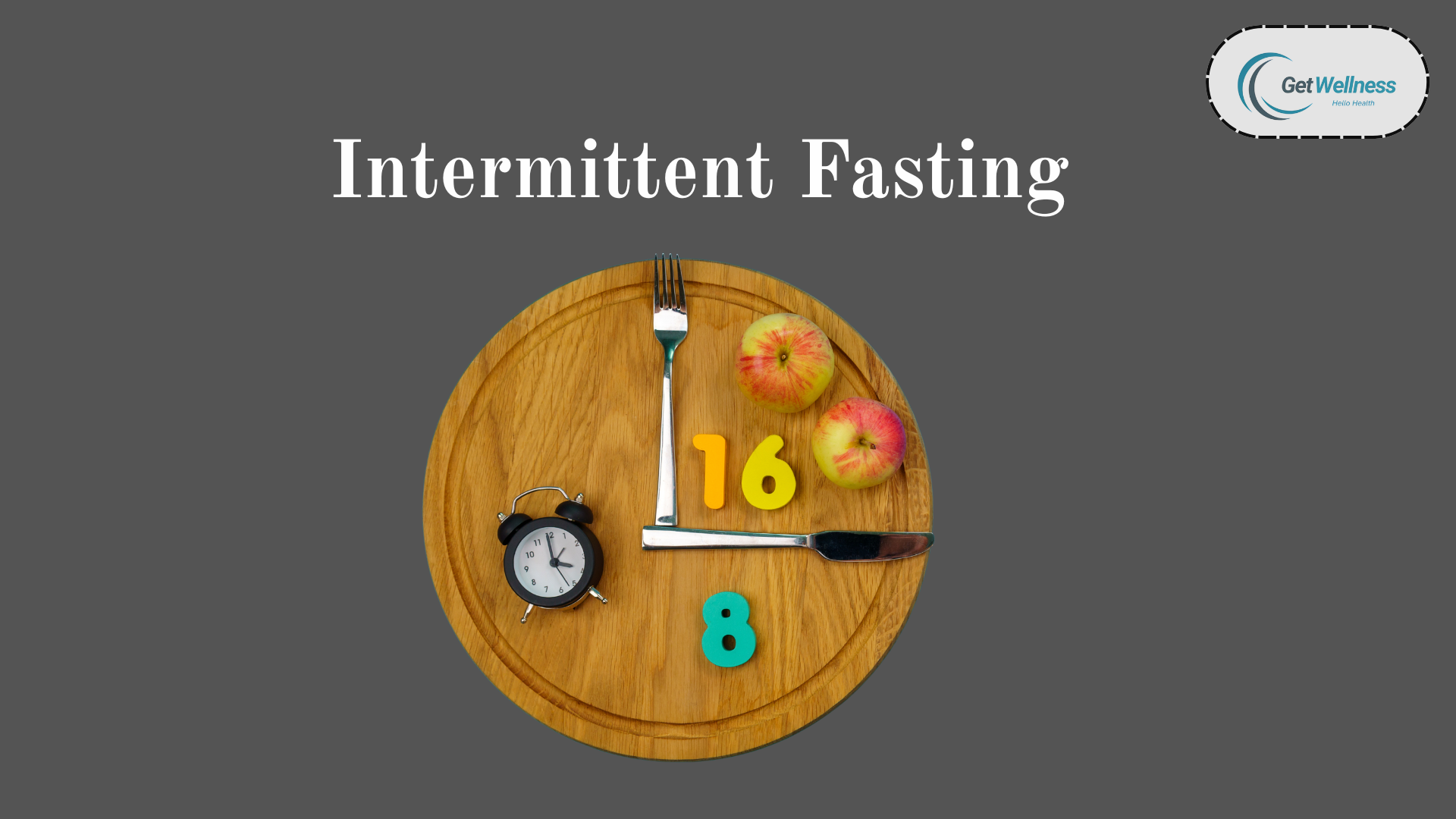
- Intermittent Fasting Window: 16 hours
- Eating Window: 8 hours
- Best For: Beginners, sustainable long-term fasting
16:8 Intermittent fasting:
In these 16 hours of the benefits of intermittent fasting, do not eat anything except water and black coffee because they don't carry calories. Those who have chronic disease, children, pregnant women and breastfeeding mothers are exempted. In 16 hours of the window. The remaining 8 hours of the eating window and further divide the time frame for eating. In this, not focusing on nutritious food, but focusing on just food, whatever you like. But the only restriction is to avoid junk food and processed food.
- If you eat at 7 PM on Monday, from 7:00 PM to 11 AM Tuesday, it's a period of fasting with a total duration of 16 Hours.
- After 11:00 AM, the eating window starts for 8 Hours. This is from 12:00 PM to 7:00 PM on the same day, on Tuesday.
Apple Watch SE — for iPhone Users
Pairs with apps like Zero & Fastic for wrist-based fasting timers. Also tracks heart rate, sleep, and calories. Check price on Amazon.in
Samsung Galaxy Watch — For Android Users
Works with Samsung Health to log fasting, hydration, and meals. Long battery life keeps your overnight fast tracked. Check price on Amazon.in
Method: 5:2 Weekly
- On normal days, eat for 5 days in the remaining two days, restrict calories to 500-600 each day.

It's very popular for weight loss, diabetes and overall health benefits, in these 5 days of eating with a normal lifestyle and 2 days of calorie restrictions. Unlike the 16:8 Method, which focuses on the time window, this focuses on calorie restriction. This Method continues to be followed weekly.
In this Method, men generally have a daily calorie intake of around 2500 calories. And women can have around 2000 calories. In the 5:2 Method, on any two days of the fasting window, participants have a 500 to 600-calorie restriction in their diet. And the remaining 5 days, they can have the normal diet as usual. This Method achieves strong calorie restriction, which helps in diabetes, overweight and hypertension.
One of the Chinese studies was conducted on the 5:2 Method. In this 3-group study, likely 5:2 MR (Meal replacement), Metformin and Empagliflozin. Let's discuss the outcome.
Total Participants: 405
Duration of trial: 16 weeks
Mean age: 45.5
|
S.NO |
Treatment Group |
Mechanisms of action |
HbA1c Reduction (%) |
Weight Loss (kg) |
Statistical Significance |
|
1 |
5:2 MR (Meal Replacement) |
Calories Restrictions |
(-1.9% ) |
(-9.7 kg ) |
Good performer |
|
2 |
Metformin |
Less glucose is made by the liver |
(-1.6%) |
(-5.5 kg) |
Less effective |
|
3 |
Empagliflozin |
More glucose is lost through the kidneys |
(-1.5%) |
(-5.8 kg) |
Less effective |
Sample Diet Plan 5:2
|
Day |
Fasting or Eating |
Calories Limit |
Sample Meals |
|
Monday |
Fasting Day |
500 kcal |
Breakfast: Greek yogurt (150 kcal) |
|
Tuesday |
Normal Eating |
~2,000 kcal |
Breakfast: Oatmeal with berries |
|
Wednesday |
Normal Eating |
~2,000 kcal |
Breakfast: Smoothie bowl |
|
Thursday |
Fasting Day |
600 kcal |
Breakfast: Two boiled eggs (160 kcal) |
|
Friday |
Normal Eating |
~2,000 kcal |
Breakfast: Avocado toast |
|
Saturday |
Normal Eating |
~2,000 kcal |
Breakfast: Pancakes with fruit |
|
Sunday |
Normal Eating |
~2,000 kcal |
Brunch: Vegetable omelette |
How Intermittent Fasting Works: The Science Behind It
There is a science behind the benefits of intermittent fasting, including many biological changes and benefits.

Fat Burning as fuel: During fasting, the body utilises available glucose after depletion of glucose, and the body depends on fat as the primary source of energy. There is concrete evidence for fat Burning and its health benefits. The process of Intermittent fasting can put stress on our biological cells. This led to the increased capacity to sustain under pressurised conditions. This bearable condition can help during the time of the disease. So, it resists the disease of the disease. Reducing calorie restriction by IF, calorie restriction helps to protect from oxidative stress, improves insulin sensitivity, reduces inflammation, as well as cholesterol and triglyceride levels. To know about the fats also read What foods have trans fats- and why you should avoid them
Hormonal Adaptation: During the process of intermittent fasting, there is less intake of calories, resulting in less insulin release. Reduced pressure on the pancreas allows it to recover, giving it a good lifespan. For immediate energy releases, the energy comes from fats. There starts to be a reduction in fat content in the body. As well as producing ketones in the body, and regulating the good hormonal balance.
And also, increased the human growth hormone, which helps to burn fat as well as protect against loss of muscle mass.
Cellular Repair and Autophagy:
During intermittent fasting, our body cell starts repairing and destroying unwanted or ageing cells. Possibly, cancer cells and unstructured cells will clear first. Their cellular stress caused some oxidative stress, and cleared. New cell formation and cellular repair happen. This increased longevity and improved healthy ageing. It reduced body ageing. In the process of Intermittent fasting, gene expression in overweight and obese people increased autophagy-related genes, which improved after Intermittent fasting. And also, a lot of health improvements were observed.
Health Benefits of Intermittent Fasting:
- Intermittent fasting can help reduce the weight of obese and overweight people.
- Improves the HDL and reduces the LDL and triglycerides
- Helps to get support for heart health
- Reduces the inflammation
- Improved metabolic condition of overall health
- Increased longevity and healthy ageing
- Scavenges damaged cells and accelerates the formation of free radicals
- Increases cell repair
- Significant improvement in chronic diseases
- Enhanced Physical and mental health
- Higher levels of unwanted fat burn
Risks and Considerations:
Avoid practising on pregnant and breastfeeding women,
Early stage of practice discomfort, consult a healthcare practitioner
Without proper knowledge, nutritional deficiencies may occur
Avoid in type-2 diabetes and type-1 due to uncontrolled glycaemic spikes
During chronic diseases, it may not be suitable
Children and adolescents are not recommended
Avoid while taking medications
Best Foods to Break a Fast
Intermittent fasting Nutrition fact:
During intermittent fasting, one needs nutritious food for proper health benefits. Select whole grains, lean proteins, fresh fruits and vegetables, and good hydration to achieve appropriate benefits. During this fasting period, it is advised to drink zero-calorie drinks like black coffee and fresh water.
Who Should Try Intermittent Fasting?
Ideal Candidates:
- People with prediabetes and metabolic syndrome
- People who looked seriously at weight reduction
- Improvements in cognitive functions and increasing longevity and a healthy life
KYTONE Water Bottle (2L) — For Long Fasting Days
2-liter capacity covers your full day. Built-in silicone sippy pipe, BPA-free, leakproof. Perfect for gym, office, and travel. Check price on Amazon.in
Cello H2O Unbreakable Bottle (1L) — For Daily Office Use
Trusted Indian brand. Lightweight, unbreakable, freezer-safe. Ideal for desk use during your eating window. Check price on Amazon.in
Final Thoughts:
This intermittent fasting is very beneficial for overall health, and it's a well-proven, evidence-based scientific strategy. It helps to reduce weight and metabolic conditions like diabetes, and gives excellent results. It improves the body's longevity and healthy ageing. Every individual is not equal, and their lifestyle is not either. So, these strategies may not suit all. By adopting this intermittent fasting, not only helps with physical health, but it also helps to make a healthy lifestyle, proper energy utilisation, and save from a lot of chronic diseases. Also read The role of diabetes in managing Diabetes
References:
- Lixin Guo, MD; Yue Xi, MD, A 5:2 Intermittent Fasting Meal Replacement Diet and Glycemic Control for Adults With Diabetes, JAMA Netw Open, Published. Online:June21,2024,2024;7;(6):e2416786.doi:10.1001/jamanetworkopen.2024.16786.
- https://pubmed.ncbi.nlm.nih.gov/17291990/
- https://pmc.ncbi.nlm.nih.gov/articles/PMC3680567/
- Limin Wang, MPH1; Wen Peng, Prevalence and Treatment of Diabetes in China, 2013-2018, Published Online: December 28, 2021, 2021;326;(24):2498-2506. doi:10.1001/jama.2021.22208
- Dae-Kyu Song 1, Yong-Woon Kim, Beneficial effects of intermittent fasting: a narrative review, J Yeungnam Med Sci. 2022 Apr 4;40(1):4–11.doi:10.12701/jyms.2022.00010, PMCID: PMC9946909 PMID: 35368155.