Disclosure:
This article may contain affiliate links. If you buy from this link, we may earn a small commission at no additional cost to you
“Learn the pros and cons of the Paleo Diet — a whole-food eating plan inspired by our ancestors. Discover its benefits for weight loss and health, plus potential drawbacks.”
Introduction:
The term Paleo means ancient. The paleo diet is an ancient dietary pattern. During the Palaeolithic era, Millions of years ago, humans relied on food for survival on wildlife animals and plant-based foods. Currently, the paleo diet concept and paleo diet pros and cons are more interesting. Why? Human evolution is closely tied to the genes and food habits of our ancestors. New research on the paleo diet revealed concepts and their importance.
The paleo diet reduces the risk and complications of chronic diseases. Now, in the reversed Palaeolithic era: food habits, culture, and nature. During the Palaeolithic era, humans obtained food by hunting. Now, we depend on a lack of physical activity, diversified food availability and processed foods.
Principles:
Some refer to it as the Stone Age diet method, while others call it the troglodyte diet method. However, it's one of the suitable methods for a healthier life. Even our near ancestors did not eat during their lifetime. Now everything changed. Decreased quality of food, cultivation by using chemical fertilisers, and high sugars and salts in the diet. The population is also rapidly increasing. Accordingly, to grow, people need sufficient food availability. Faster food preparation and more extended storage can affect the quality of the food. The old concept is the gene-friendly food concept, as seen in the paleo diet. We should know about paleo diet pros and cons.
Paleo diet and chronic diseases:
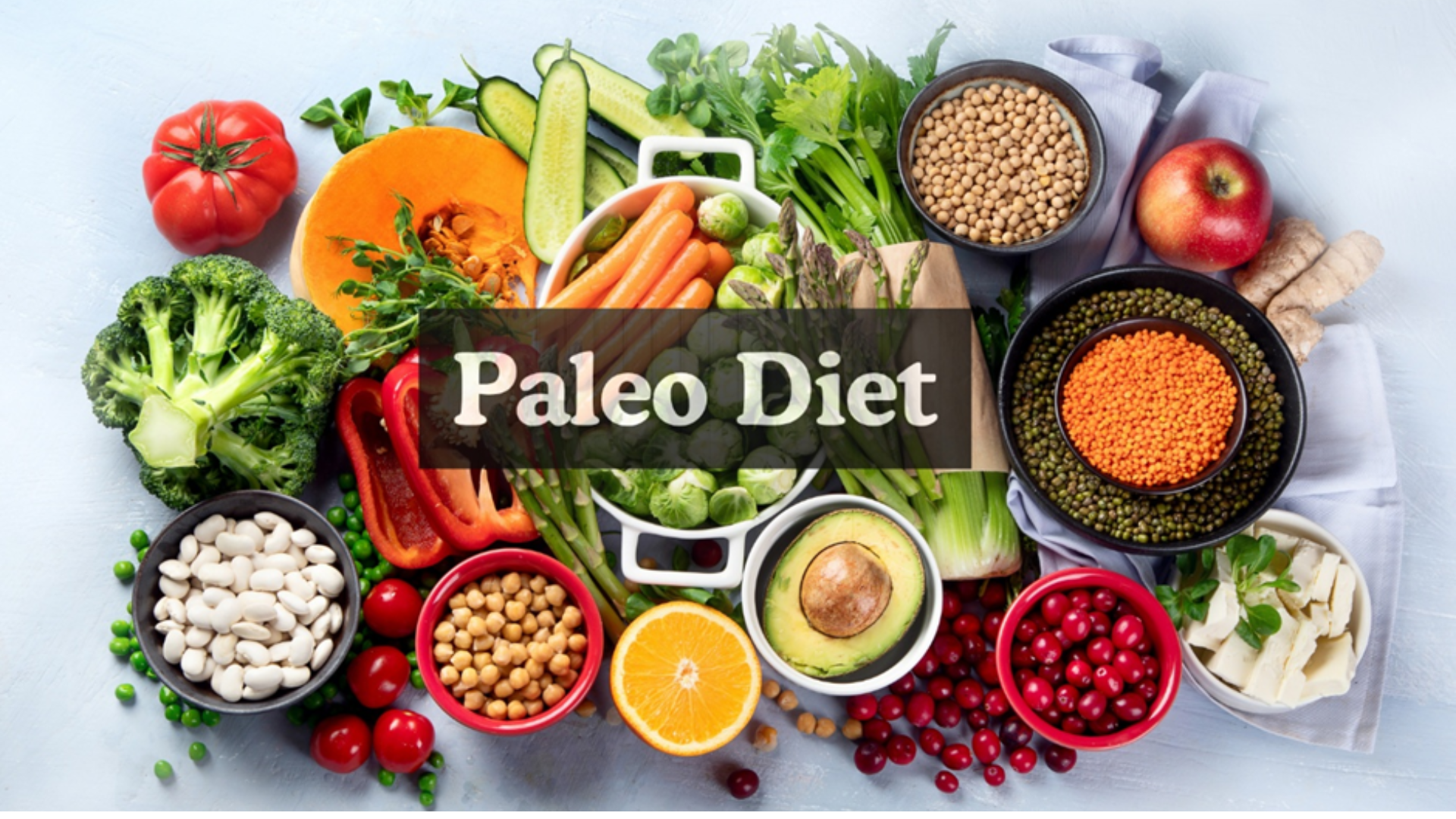
The Paleo diet is believed to protect from obesity, diabetes and other diseases, but there is no fully established evidence. In this category, fresh-coloured fruits, more natural almonds, and chia seeds can be added. Regarding oils and fats, include olive oil, coconut oil, and avocado oil. In this category, legumes, processed foods, and artificial additives are excluded. Read more about
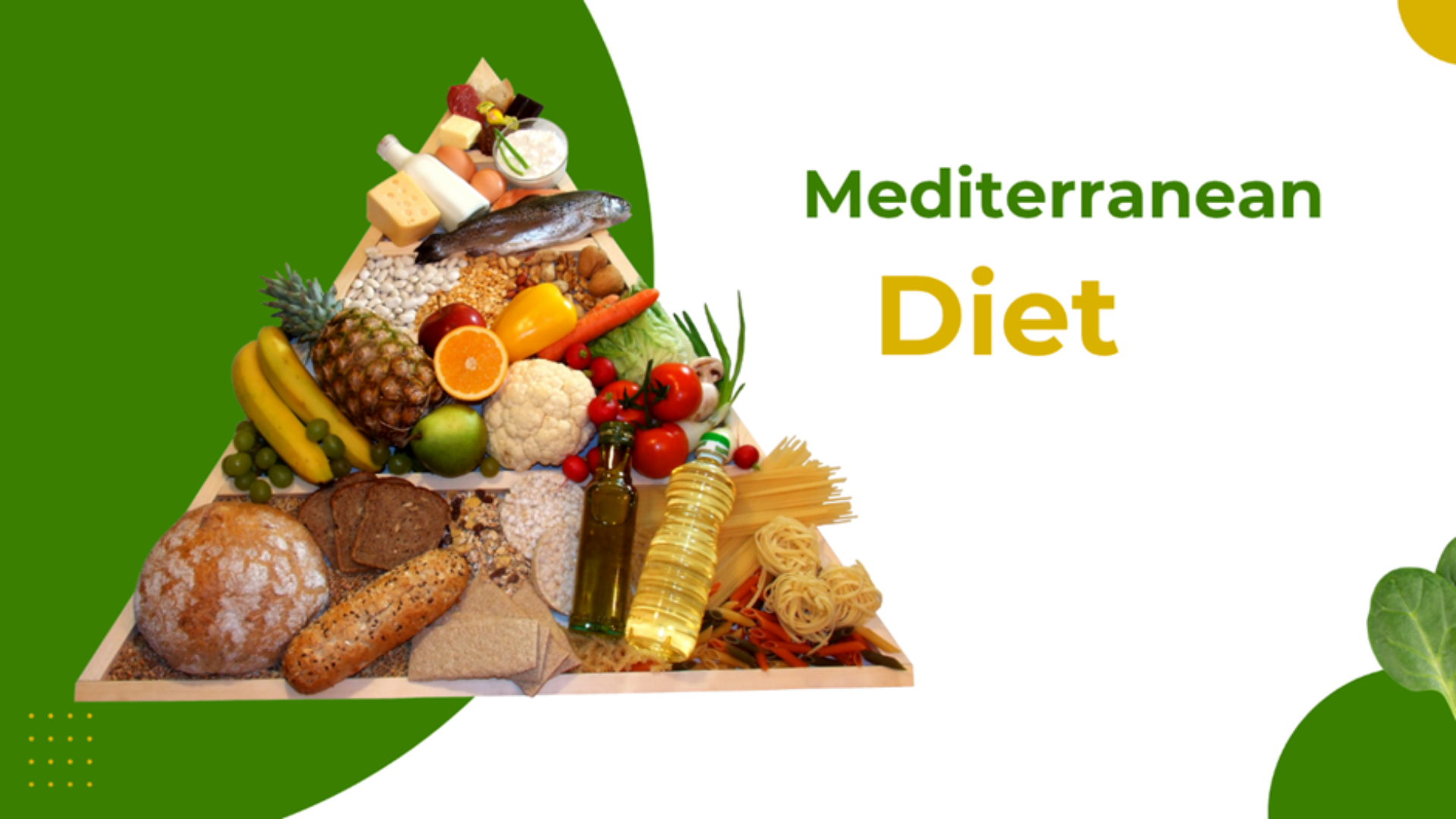
Non-paleo diets can include animal food sources, such as dairy products, various grains, and legumes, as well as ultra-processed foods. This non-paleo diet is listed as containing added sugars, as well as vegetable and soybean oils. Add yoghurt, milk, cheese, and other preparations to this. It can be lists of cookies and processed and semi-processed foods when it comes to preservatives added with artificial colours. Know about paleo diet and Mediterrean diet
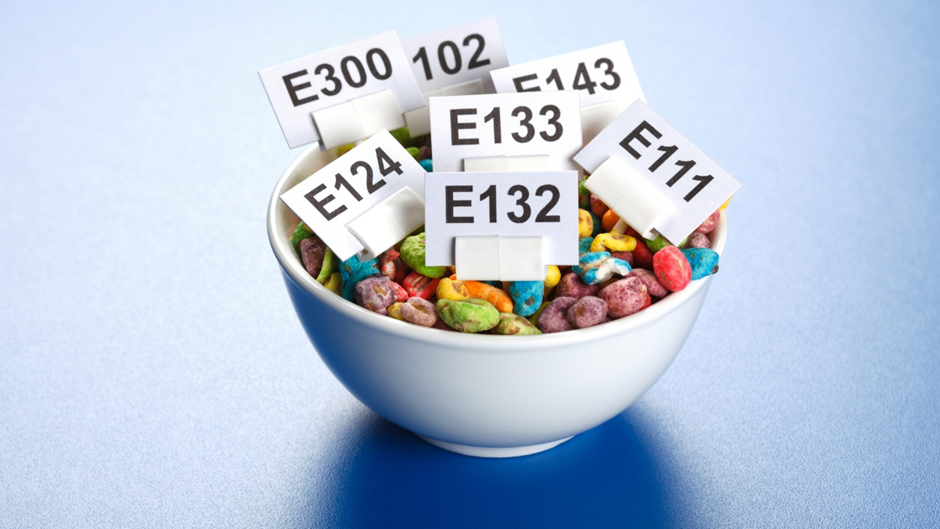
High Veggies, Low Sugar, Better Balance:
The paleo diet is more beneficial than a typical modern diet because it involves a high consumption of vegetables and fruits, which yields positive health benefits. Despite of having paleo diet pros and cons. However, even positive results regarding cardiovascular health have been reported. This diet also has a more comprehensive effect on overall health. Avoiding processed and semi-processed food reduces the complications of overall health. Potential positive impact on cardiovascular health.
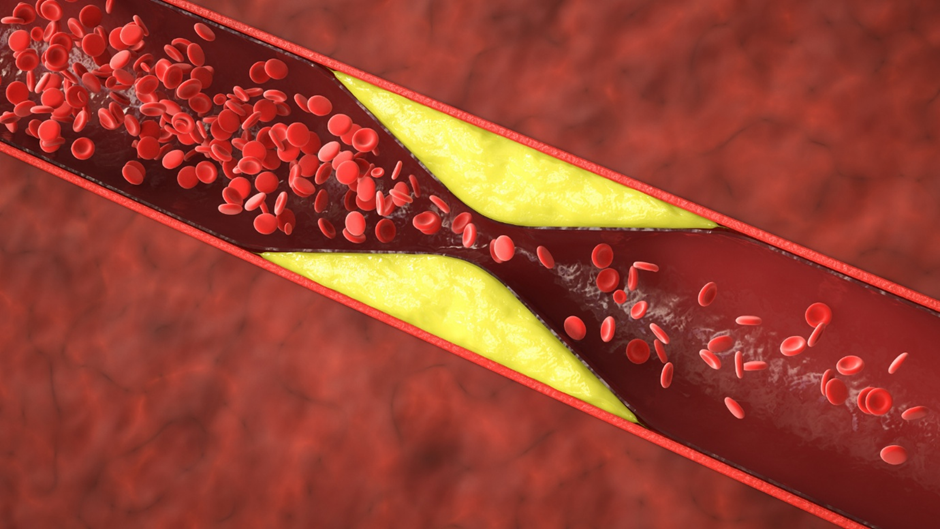
The paleo diet has a higher fibre level because consuming fruits and vegetables lowers the glycaemic index. And less and no added sugars, which helps reduce sugar levels. This will significantly help mitigate glycaemic levels. This diet reduces overall body weight, including waist circumference. We still need large-scale and multi-level studies.

Challenges in Paleo-Diet:
The Paleo Diet is an ancient concept that dates back millions of years. And it has the highest number of fruits and vegetables in this category. Plant cell fibres have two types: one is soluble, and the other is insoluble. For this reason, insoluble fibre is contained in the outer layers of cells; these plant cells will not participate in fermentation by bacteria. This leads to the possibility of having a laxative effect.
The Palaeolithic diet is a complex and ancient concept of diet. Unprocessed foods and human evolution are linked to social, cultural, and belief systems. Our genes are deeply connected to both ancient and current generations. Know more about whole foods and unprocessed foods

The reason is that the current modern generation, environmental changes, and lifestyle make it difficult to follow strict nutritional guidelines. Adopting flexible paleo dietary habits can be beneficial when combined with contemporary practices. Sudden follow-ups in middle age and old age may not give proper results. To follow such a dietary plan, it is better to consult a dietician.
The paleo diet is a concept aimed at addressing major disorders and is closer to natural food habits. To know more about the paleo diet and its concept, a very good book is The Paleo Diet. It helps to lose weight, the habit of the paleo diet can help you live a healthy life, and I recommend the book The Paleo Diet
The air pollution is increasing drastically, we may notice with small changes how we are slowly being affected, it begins with the frequent cold, sneezing in the morning, redness of eyes, sleep disturbances, or a child coughing and sneezing more than normal. why its happen reason is that lot of pollution in the air by industries, vehicles truly these are unavoidable. Clean air is very difficult to achieve; good air purifiers help by filtering small particles, improving indoor air quality. So its create the good breathing environment. Especially for children and elderly people must be recommended Air purifier for Home
References:
1. Wayback machine, internet, archive, https://web.archive.org/web/20100818123718/http://www.nhm.ac.uk/about-us/news/2010/august/oldest-tool-use-and-meat-eating-revealed75831.html.
2. Annapoorna Singh, Daulath Singh, The Palaeolithic Diet, PMID: 36843707, PMCID: PMC9957574, Cureus, 2023 Jan 25;15(1): e34214, doi: 10.7759/cureus. 34214. eCollection 2023 Jan.
3. Hima J. Challa, Palaeolithic Diet, Last Update: July 4, 2023, https://www.ncbi.nlm.nih.gov/books/NBK482457/
4. Aleksandra Pięta, Barbara Frączek, Impact of Paleo Diet on Body Composition, Carbohydrate and Fat Metabolism of Professional Handball Players, PMCID: PMC10574054 PMID: 37836439, Nutrients. 2023 Sep 26;15(19):4155. doi: 10.3390/nu15194155
5. Víctor de la O 1,4, Itziar Zazpe, A score appraising Paleolithic diet and the risk of cardiovascular disease in a Mediterranean prospective cohort, PMCID: PMC8854325 PMID: 34671828, Eur J Nutr. 2021 Oct 21;61(2):957–971. doi: 10.1007/s00394-021-02696-9.
6. David C Klonoff, The Beneficial Effects of a Paleolithic Diet on Type 2 Diabetes and Other Risk Factors for Cardiovascular Disease, PMCID: PMC2787021 PMID: 20144375, J Diabetes Sci Technol. 2009 Nov;3(6):1229–1232. doi: 10.1177/193229680900300601.
7. Aelia Akbar, Aparna, High Fiber Diet, Loyola University Medical Center, University of Tennessee, https://www.ncbi.nlm.nih.gov/books/NBK559033/.
8. Bethany L Turner a, Amanda L Thompson, BEYOND THE PALEOLITHIC PRESCRIPTION: INCORPORATING DIVERSITY AND FLEXIBILITY IN THE STUDY OF HUMAN DIET EVOLUTION, PMCID: PMC4091895 NIHMSID: NIHMS605663 PMID: 23865796, Published in final edited form as: Nutr Rev. 2013 Jun 25;71(8):501–510. doi: 10.1111/nure.12039