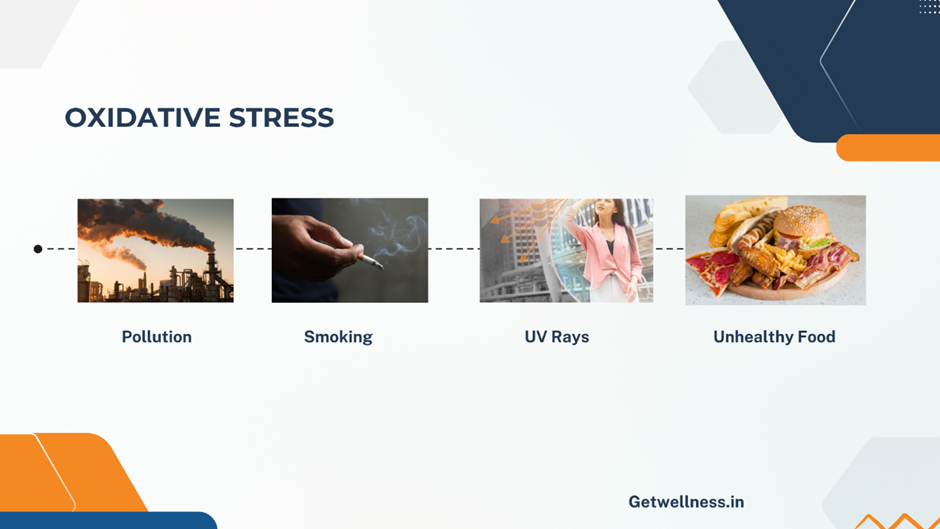
Figure 1 Environmental factors like pollution and UV radiation are key triggers for oxidative stress, accelerating aging and cellular damage
Introduction: The Power of Antioxidants
Every day,
our body is under attack—not from visible enemies, but from invisible ones
called free radicals. We need Antioxidants and Free radicals. These molecules
cause cellular damage, ageing, and even chronic diseases like diabetes,
hypertension, and cancer. To combat these harmful effects, our body relies on
potent compounds called antioxidants.
The
antioxidants help neutralise free radicals effectively in our cells. While our
body naturally produces some antioxidants, we need additional ones from
external sources, such as fresh fruits, vegetables, and dietary supplements.
Understanding
about the Free Radicals and their effect
Free radicals are produced due to improper metabolism, a process that occurs during metabolic processes in the body. Our body balances the Antioxidants and free radicals. Free radicals are produced in different ways. Such as pollution, smoking, UV exposure, and unhealthy diets.
But did
you know free radicals aren't all bad?
In small
amounts, free radicals help our immune system defend against infections. This
imbalance is the root cause of many chronic and degenerative diseases.
Why Are
Antioxidants Important?
Those who
have diabetes, hypertension and many different chronic and acute diseases.
Often have higher oxidative stress levels. This means their bodies generate
more free radicals than those of healthy individuals, thereby increasing their
need for antioxidants.

Figure 2 Oxidative stress can cause DNA damage, leading
to mutations and chronic diseases like cancer and neurodegeneration.
Free
radicals can damage:
- DNA
- Cell membranes
- Mitochondria
- Vital organs
Due to
oxidative stress, its effects on our body organs contribute to ageing and
systemic diseases. Regular intake of antioxidants helps reduce this damage, slows
ageing, and protects long-term health.
Top
Natural Sources of Antioxidants

Figure 3 A diet rich in natural antioxidants helps
neutralize free radicals and protect the body from oxidative stress.
1.
Blueberries
Among all
berries, blueberries are considered the richest in antioxidants.
They are high in anthocyanins, which support brain health, reduce inflammation,
and fight oxidative stress.
2. Dark
Chocolate
High-quality
dark chocolate (with 70% or more cocoa) is packed with antioxidants,
particularly flavonoids. Some research helps us gain a lot of insight into its effects
and inflammatory conditions.
3.
Artichokes
Artichokes
are highly nutritious and rich in antioxidants, especially when boiled or
steamed, as this cooking method increases their antioxidant content. They
support liver function and digestive health.
4.
Astaxanthin
Often
found in marine life, such as salmon and krill, astaxanthin is considered one
of the most potent natural antioxidants, with a very high ORAC (Oxygen Radical
Absorbance Capacity) value. Astaxanthin acts as an antioxidant, which balances
the levels of Antioxidants and free radicals.
Essential
Antioxidant Nutrients and Supplements
🔹 Vitamin C
Known for
its role in boosting immunity (especially during the COVID-19 pandemic), Vitamin
C is available in supplement form and also in natural fruits like citrus
fruits.
🔹 Vitamin E
A
fat-soluble antioxidant, Vitamin E, protects cell membranes and skin health.
It's an excellent antioxidant, and it's available in many other foods. Still,
it is primarily found in spinach, as well as in fresh seeds, nuts, and other
fruits and vegetables.
🔹 Coenzyme Q10 (CoQ10)
Coenzyme
Q10, also known as CoQ10, plays a crucial role in producing cellular energy
during metabolism and acts as a potent antioxidant. Its levels naturally
decrease with age. It's found in red meat, organ meats, oily fish, and some
nuts and vegetables.
🔹 Glutathione
Often
called the "master antioxidant," Glutathione is produced by our body
and plays a central role in detoxification and immune defence. However, stress,
poor diet, and age can reduce their levels.
🔹 Minerals with Antioxidant
Properties
- Zinc
- Selenium
- Manganese
These
minerals help support antioxidant enzymes in the body and play roles in immune
function and inflammation control.
Daily
Antioxidant Intake: Are You Getting Enough?
Ask
yourself: Are you consuming enough antioxidants daily to reduce oxidative
stress?
Most
people don't realise that free radical damage builds silently over time and
only shows symptoms once significant damage occurs, such as memory loss,
chronic fatigue, or disease onset. Consuming fresh, antioxidant-rich foods now
is an investment in your long-term health.
Conclusion:
Fight
Oxidative Stress Before It Fights You
We can't
altogether avoid free radicals, but we can reduce their harmful effects. Here's
how:
Do you
know that we cannot avoid free radicals because they are even produced during
our metabolic process? Additionally, there are other ways, such as pollution
and chemicals, that we cannot prevent. However, we can minimise its effect.
·
Having
fresh fruits and vegetables daily
·
Including
nuts, seeds, and whole grains
·
Choose
natural supplements if needed
·
Get
fresh air, regular exercise, and sleep
Remember,
your body is your most important asset. Protect it with a powerful shield of
antioxidants to age gracefully and stay disease-free.
References:
1.
Syed
Saqib Ali, Haseeb Ahsan, Mohammad Khalid Zia, Understanding oxidants and
antioxidants: Classical team with new players, J Food Biochem, 2020
Mar;44(3):e13145, doi: 10.1111/jfbc. 13145. Epub 2020 Jan 20.
2.
Bahare
Salehi, Miquel Martorell, Jack L Arbiser, Antioxidants: Positive or Negative
Actors?, Biomolecules. 2018 Oct 25;8(4):124. doi: 10.3390/biom8040124.
3.
William
L. Stone; Tram Pham; Shamim S. Mohiuddin.Biochemistry, Antioxidants, https://www.ncbi.nlm.nih.gov/books/NBK541064/.
4.
İlhami
Gulcin, Antioxidants: a comprehensive review, Arch Toxicol, 2025
May;99(5):1893-1997, doi: 10.1007/s00204-025-03997-2. Epub 2025 Apr 15.
5.
Jolanta
Flieger, Wojciech Flieger, Antioxidants: Classification, Natural Sources,
Activity/Capacity Measurements, and Usefulness for the Synthesis of
Nanoparticles, Materials (Basel). 2021 Jul 25;14(15):4135. doi:
10.3390/ma14154135.