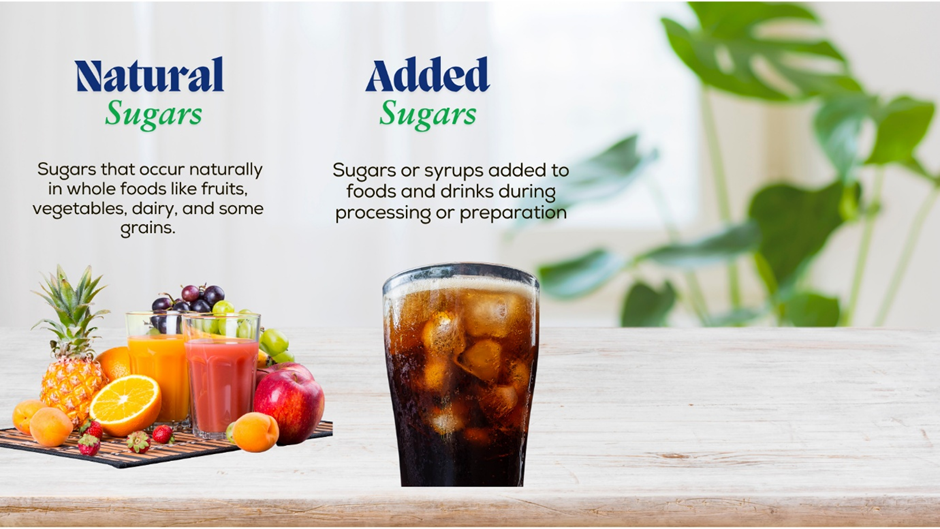
Figure 1 Natural sugars occur in whole foods like fruits and milk, while added sugars are introduced during processing—know the difference for better health
Introduction:
Sweet life:
Everybody loves the sweet; I do, too. I am a lovely person, but not a person with diabetes. Everybody wants to be sweet in life, not in the body. If you are excessively sweet in the body, you are considered to have diabetes, as well as adverse events in other organs. Without sugar, the body cannot function; every organ requires sugar for fuel to support its metabolic functions.
However, when there is an excess over the required amount,
that is the problem. Excessive sugar intake increases the risk of complications—the
difference Between Natural
and Added Sugar. High sugar impacts the body with diabetes, cardiovascular
disorders, neurological disorders and other chronic diseases. Now, we will
discuss how sugar affects health and how we can control it.
Difference between natural sugars and added sugars:
If you have a habit of purchasing ready-made drinks in the
form of packets
and other bakery items, please refrain from taking them outside and opt for
natural and organic fruit juices instead. We should understand the differences
between natural and added sugars and their health impacts. Nowadays, it is a
more accessible option for items containing added sugar. Widely available,
readily added sugars are often found in processed and preserved items. Need to
know the difference Between Natural and Added Sugar. Commonly, we used to buy
drinks in packets and bakery items. Added sugars are not a suitable addition to
a healthy diet.

Figure 2 Natural
sugars in fruits and dairy come with fibre, vitamins, and minerals, making them
a nutritious part of your diet.
Many studies suggest that natural fruit juices are more
nutritious than those containing added sugar. Added sugars increase pre- and
post-prandial glucose levels more quickly than sugars in fruit juice. When you
consume natural sugars, it doesn't impact overweight and oxidative stress, but
added sugars show an impact on the formation of more AGEs (Advanced Glycation
End-products). For a better health impact, please opt for natural, fresh
juices. This will provide additional benefits by offering good sugars, reducing
the risk of being overweight, and not affecting AGE formation.
Sugar Impact on the Body:
We need sugar for our bodies; the only issue is the
overconsumption of sugar. Higher sugar impact on health. Continuous
overconsumption of sugar damages our organs. It may damage the heart, brain,
blood vessels, and pancreas and lead to obesity and more. It causes metabolic
and endocrine disorders. Many people are affected by sugar-related disorders;
the shocking fact is that some people don't know they are trapped in more
sugar. Even some people see that they have prediabetes and diabetes, but they
are not taking appropriate measures to control their sugar levels. Over time,
sugar slowly damages the organs. The fact is that if we modify our lifestyle
and food habits, we can put a pause on diabetes.
Many of us are aware of this fact, yet we are not ready to
accept it. The most bitter truth is that we know that we can control diabetes
by lifestyle and food habits. But still, we depend on medication to prevent
diabetes. If you have had high sugar levels for a long time, you should consult
a physician and take the medicines. When do we need medication? If we are not
able to manage diabetes through lifestyle and food, we need to opt for
medication. And the reality is that diabetes is dangerous because it will
slowly damage our organs.
Sugar hides in:
You know that sugar may be hidden in your favourite nearby
food. If you're not observing, it may enter. Already, we know that natural
sugars and added sugars are widely available to us. Added sugars are mixed with
some items to enhance flavour and mask the taste of the product. We take it for
other purposes, but along with that item, we consume added sugars.

Figure 3 Watch out!
Added sugars often hide under names like corn syrup, sucrose, and maltose in
packaged foods.
- Caramel
is a product commonly used in bakeries. It is used to add extra flavour to
desserts; this caramel is prepared at different stages of the heating
process.
- If
you're looking for protein bars, they often contain added sugars to mask
the taste. You intend to consume protein, but without giving it a thought,
you usually reach for protein bars.
- In
some cases, if you're looking for folk and coffee creamers with added
sugar, they're available; additionally, on-dairy products also contain
added sugar.
- Preserved
fruits and jams may tempt you. They are suitable for health, but, you
know, they have added sugars for long-term preservation and to add extra
flavour to the items.
- Nut
butter is the most prominent and premium option for consumption, but to
improve the texture and flavour, it must be supplemented with added
sugars.
- Some
widely available drinks contain a lot of added sugar, as do many packaged
drinking beverages available on the market. They have a lot of sugar added
to achieve a high sweetness.
Everyday Sugar Limits: More consumption measurement?
You know, the difference Between Natural and Added Sugar. Added
sugars are more harmful than natural sugars. Added sugars are absorbed much
faster. However, natural sugars are absorbed very slowly. Because of this,
added sugars are absorbed more rapidly. Men should consume 36 grams of added
sugars daily, and women should consume 25 grams of added sugars.
According to the American Heart Association, the added sugar
Intake limit
Added Sugars Limits Grams Tablespoons Calories
Men 36 9 Teaspoons 150
Women 25 6 Teaspoons 100
Tips to Minimise Sugar Consumption:
I know that reducing calorie intake can be difficult, but
it's still necessary to protect ourselves from excess sugar. Several studies
suggest that minimisation of sugar intake is beneficial to health.

Figure 4 Minimizing
added sugar intake helps control weight, reduce diabetes risk, and improve
overall well-being.
What is LNCS? This is an idea for reducing sugar intake.
This concept focuses on maximising sugar intake. Different studies have been
conducted on the idea of LNCS (Low and no-calorie sweeteners). This concept
helps people reduce weight, control diabetes, and avoid artificial and hidden
sugars in bakery beverages.
Most frequently, those who are taking added sugar beverages
are people most affected by obesity and diabetes-related issues. Replacing
hidden and added sugar intake with water intake is the best alternative.
Another approach is to be aware of sugars, including hidden sugars, and to
exercise emotional control over sugar consumption.
Conclusion:
Try for the best healthy habits. The habit of minimizing
sugar intake in life yields long-term health benefits. When we observe the
foods, what they contain, and how much added sugar is in them, it helps us.
This habit has more benefits for healthy habits. As this article suggests,
minimize the sugar intake. Limit the added sugars; 3. Emotional control on
taking sugars 4. A healthy habit of drinking more fresh water. Rely on natural
fruit juices instead of added, packaged drinks; 6. Observation of ready-made
foods, such as sugar-coated foods
Author
Madugula Mahender - Nutritionist
Certified in Nutrition & Health | Nutrition Consultant
Author, Analyst, and Global Product Manager with 12+ years of experience across diverse therapeutic areas. Known for integrating research, strategy, and wellness to deliver impactful health solutions. A published medical writer with peer-reviewed articles featured in reputed journals.
References:
1.
Kerri M Gillespie, Eva Kemps, Melanie J White, The
Impact of Free Sugar on Human Health—A Narrative Review, Nutrients. 2023 Feb
10;15(4):889. doi: 10.3390/nu15040889
2.
Clara R Freeman 1, Amna Zehra 1, Veronica
Ramirez, Impact of sugar on the body, brain, and behaviour, Front Biosci
(Landmark Ed), 2018 Jun 1;23(12):2255-2266, doi: 10.2741/4704.
3.
Tamaeh Monteiro-Alfredo, Beatriz Caramelo, Distinct
Impact of Natural Sugars from Fruit Juices and Added Sugars on Caloric Intake,
Body Weight, Glycaemia, Oxidative Stress and Glycation in Diabetic Rats, Nutrients,
2021 Aug 25;13(9):2956, doi: 10.3390/nu13092956.
4.
https://www.mdanderson.org/cancerwise/how-many-grams-of-added-sugar-should-you-have-per-day.h00
159623379.html#:~:text=How%20many%20grams%20of%20added%20sugar%20should%20we%20eat%20each,of%20added%20sugar%20a%20day.
5.
Hope Warshaw, Steven V Edelman, Practical
Strategies to Help Reduce Added Sugars Consumption to Support Glycemic and
Weight Management Goals, Clin Diabetes,2021 Jan;39(1):45-56, doi:
10.2337/cd20-0034.
6.
Rina Ruolin Yan, Chi Bun Chan, Current WHO
recommendation to reduce free sugar intake from all sources to below 10% of
daily energy intake for supporting overall health is not well supported by
available evidence, Am J Clin Nutr, 2022 Jul 6;116(1):15-39, doi:
10.1093/ajcn/nqac084.