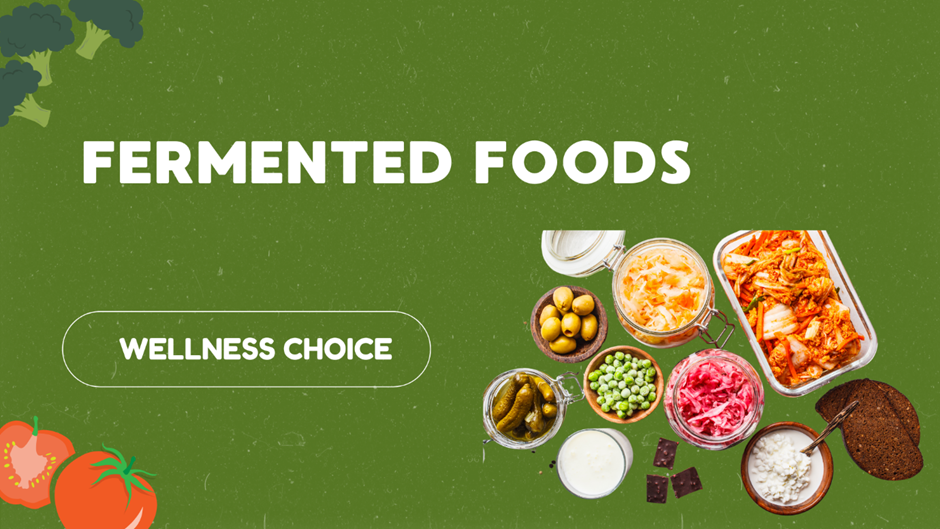
Figure 1 Fermented foods are rich in probiotics that enhance gut flora and improve digestive health
Introduction
Probiotics are living microorganisms, often referred to as "good bacteria," that provide numerous health benefits when consumed in adequate amounts. The benefits of probiotics are gut and overall health. They primarily live in your digestive tract and support your body’s ability to absorb nutrients and fight infection. Commonly found in fermented foods like curd, yoghurt, kefir, and pickles, probiotics help maintain a healthy balance of gut flora.
Recent studies have shown an increasing interest in
probiotics for their antihypertensive effects, immunity-boosting properties,
and their ability to support oral health, manage skin conditions, and regulate
cholesterol levels. Well-known probiotic strains include Lactobacillus, Lactococcus,
Streptococcus, and Bifidobacterium. But their role goes far
beyond digestion—they're involved in a wide range of metabolic and immune
functions.
Gut Health and Probiotics
Maintaining optimal gut health and overall health has
become a significant focus in both medical and wellness communities. Probiotics
play a vital role in preserving this balance. They help improve gut microbiota,
which has a direct influence on overall health. A healthy gut microbiome can
reduce the risk of various diseases, including:

Figure 2 IBS is a common gut disorder linked to stress,
poor diet, and imbalanced gut microbiota
- Irritable
Bowel Syndrome (IBS)
- Inflammatory
Bowel Disease (IBD)
- Clostridium
difficile infections
- Colorectal
cancer
- Constipation
and diarrhoea
In addition, Gut and Overall, Health purpose
probiotics enhance nutrient absorption and help break down complex food
components. They support the lining of the gut, prevent leaky gut syndrome, and
help regulate bowel movements, making them critical to digestive health.
Understanding the Types of Probiotics
There are many different strains of probiotics, each with
unique health benefits. Some are naturally found in the human body, while
others are introduced through food or supplements. Here are some of the most
researched strains:
1. Lactobacillus
The most common probiotic is found in yogurt and fermented
foods. It’s helpful for diarrhea, improving lactose digestion, and boosting
immunity.
2. Bifidobacterium
Naturally present in the intestines. Helps ease symptoms of
IBS and supports immune function.
3. Saccharomyces boulardii
A yeast-based probiotic that supports gut health and fights
diarrhea.
4. Streptococcus thermophilus
Often used in dairy fermentation. It improves lactose
digestion and reduces inflammation.
5. Lactococcus lactis
Used in cheese production. It helps with digestion and has
antibacterial properties.
Each probiotic strain may work best for different
individuals depending on their health condition, age, and overall gut flora
balance.
Prebiotics vs. Probiotics: What’s the Difference?
Their help from pre- and probiotics, Gut and Overall
Health. While probiotics are live
beneficial bacteria, prebiotics are the non-digestible fibres that feed
these bacteria. Prebiotics include foods like garlic, onions, bananas, and
oats. Together, they create a symbiotic relationship that improves gut
flora and enhances digestion.
Probiotics populate the gut, while prebiotics nourish
and support their growth. This combined approach is effective for managing
digestive disorders and improving the immune system.
Health Benefits of Probiotics
Probiotics influence various functions in the body beyond
digestion. Here are some proven health benefits:
1. Enhances Immunity
Probiotics stimulate the production of immune cells and increase
IgA (Immunoglobulin A)—a crucial blood protein responsible for mucosal
immunity.

Figure 3 A healthy gut is the foundation of a strong
immune system, protecting the body from illness.
2. Supports Heart Health
Certain probiotic strains reduce LDL (bad) cholesterol
and help lower blood pressure by breaking down bile in the gut.
3. Improves Mental Well-being
Emerging research connects gut health with mental health.
Probiotics can reduce symptoms of anxiety, stress, and depression
by regulating the gut-brain axis.
4. Fights Allergies and Inflammation
Probiotics help modulate immune responses, reducing the risk
of allergic reactions and chronic inflammation.
5. Promotes Healthy Skin
Conditions like eczema, acne, and rosacea
may improve with probiotic therapy by reducing systemic inflammation and
supporting detoxification through the gut.
Sources of Probiotics
Probiotics can be consumed through natural foods or dietary
supplements. Here are the main sources:
1. Fermented Foods
- Curd
and Yogurt
- Kimchi
- Sauerkraut
- Tempeh
- Miso
- Pickles
(naturally fermented)
- Kombucha
- Buttermilk
These foods are naturally rich in probiotics and also
contain digestive enzymes.
2. Supplements
Available in the form of:
- Capsules
- Tablets
- Powders
- Chewables
When choosing a supplement, look for:
- Colony
Forming Units (CFUs): At least 1–10 billion CFUs per serving
- Multiple
strains: A mix of Lactobacillus, Bifidobacterium, etc.
- Proper
packaging: Dark bottles or blister packs to protect from heat and
moisture
Always consult a healthcare professional before starting any
probiotic supplement, especially if you are immunocompromised or have a chronic
illness.
Who Should Consider Taking Probiotics?
While probiotics are generally safe for most people, they
are particularly beneficial for:
- People
recovering from antibiotic therapy
- Individuals
with IBS or IBD
- Those
with frequent digestive discomfort
- People
looking to boost their immunity naturally
- Women
facing yeast infections or UTIs
- Patients
on immunosuppressants (under medical guidance)
Probiotics and Long-Term Health
Incorporating probiotics into your daily diet can be a long-term
investment in your health. By maintaining a balanced microbiome, probiotics
contribute to:
- Better
digestion
- Stronger
immunity
- Balanced
metabolism
- Reduced
risk of chronic disease
However, consistency is key. Probiotic effects are not
instant—regular intake is necessary to maintain results.
Conclusion
Probiotics are a safe, natural, and effective way to support
your health. From strengthening your immune system to improving digestion and
even enhancing mental well-being, the power of these microscopic allies is
immense.
Whether through food or supplements, incorporating
probiotics into your daily lifestyle can lead to noticeable improvements in
gut health and overall wellness. As research continues to evolve, it’s
clear that probiotics are more than a trend—they are a cornerstone of
preventive healthcare.
References:
1.
Natasha K Leeuwendaal , Catherine Stanton, Paul
W O’Toole, Fermented Foods, Health and the Gut Microbiome, Nutrients. 2022 Apr
6;14(7):1527. doi: 10.3390/nu14071527
2.
Ping Zhang, Influence of Foods and Nutrition on
the Gut Microbiome and Implications for Intestinal Health, Int J Mol Sci. 2022
Aug 24;23(17):9588. doi: 10.3390/ijms23179588
3.
Willem M de Vos, Herbert Tilg, Gut microbiome
and health: mechanistic insights, Gut, 2022 May;71(5):1020-1032, doi:
10.1136/gutjnl-2021-326789. Epub 2022 Feb.
4.
Ronald D Hills Jr, Benjamin A Pontefract, Gut
Microbiome: Profound Implications for Diet and Disease, Nutrients. 2019 Jul
16;11(7):1613, doi: 10.3390/nu11071613.