Affiliate Disclosure: This article may contain affiliate links. If you purchase through these links, we may earn a small commission at no extra cost to you. This helps support our research and content creation.
Reviewed by Dr. Bhavya Krishna Ponnakanti (MD)
Introduction:
Macronutrients are proteins, fats, and carbohydrates. They are essential for human life, and we take them daily from different food sources. As an example of macronutrients, the different food sources depend on the availability of food. Macronutrient requirements should be balanced and needed for daily life. So, we are exploring the importance of requirements and issues.
Fats:
We will discuss the example of macronutrients. Fats are among the macronutrients; these fats we often hear about or read about are fats from different people. The energy is also generated from stored fats in the body; during fasting time, we all get energy from stored fats. Our bodies continuously generate new cells, so fats play an essential role in cell growth. Fats also control blood pressure; another important thing is that the gut absorbs the nutrients in the presence of fats. Fats are also needed for fat-soluble vitamins; stored fats are essential for energy production during fasting.
The excess overeating of fats leads to higher energy generation than excess carbohydrate consumption, so fat is stored in our body in high proportions.
Protein:
Proteins are essential, and these are macronutrients; protein is precisely needed to build human tissue and other proteins; you know, proteins help the growth of the body and are also required for the repair of the bodily tissues; proteins are formed from the amino acids. In the part of examples of micronutrients, proteins are also included. Basically, amino acids are needed for the formation of protein. Some amino acids are essential, and some other amino acids are non-essential, so mixed amino acids help to form a protein; this protein plays different roles in bodily functions, in that 9 amino acids are essential amino acids, and the other 11 amino acids are non-essential amino acids. Some amino acids lack dietary requirements, so proteins cannot form. That relevant deficiency may lead to a required function, leading to disorder or disease.
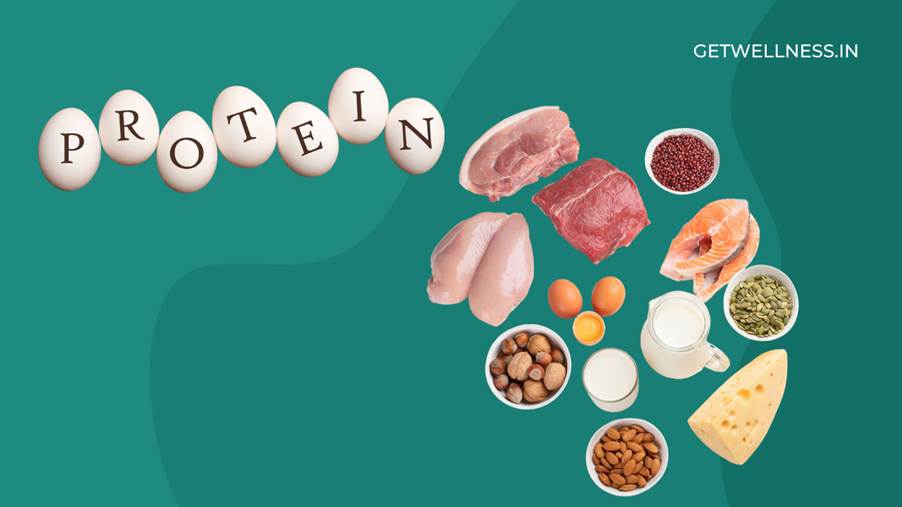
Proteins help provide basic cellular structural support and act as biochemical catalysts. They can also form hormones and enzymes. Protein formation requires amino acids, which cannot be formed without them. Another natural process in the body is cell death, and new cells need proteins to form. So, for cellular construction, cells need proteins.
Carbohydrates:
Energy, sugars, calories, simple- absorb and complex called starch and fibres, fibre- gut health, fibre- fermented by bacteria, fibre -prevents chronic diseases, also read more about Diabetes
One of the examples of micronutrients is carbohydrates. Carbohydrates are essential for energy production in the body; without carbohydrates, the body cannot perform its functions. From carbohydrates, which produce energy in terms of calories, carbohydrates become sugars; sugars further divide into simple and complex sugars; simple sugars are easy to absorb and show immediate action; complex sugars are different from simple sugars, as the name given complex sugars are generally starch and fibres, as you know that fibres are perfect for the body, these are slow release in the body, but they cannot produce the energy. Still, these fibres are fermented by the gut-available bacteria in the colon. These fibres are beneficial in chronic diseases due to specific functions like cardiovascular and diabetic diseases, as well as in dietary supplements.
Example of Macronutrients Explained
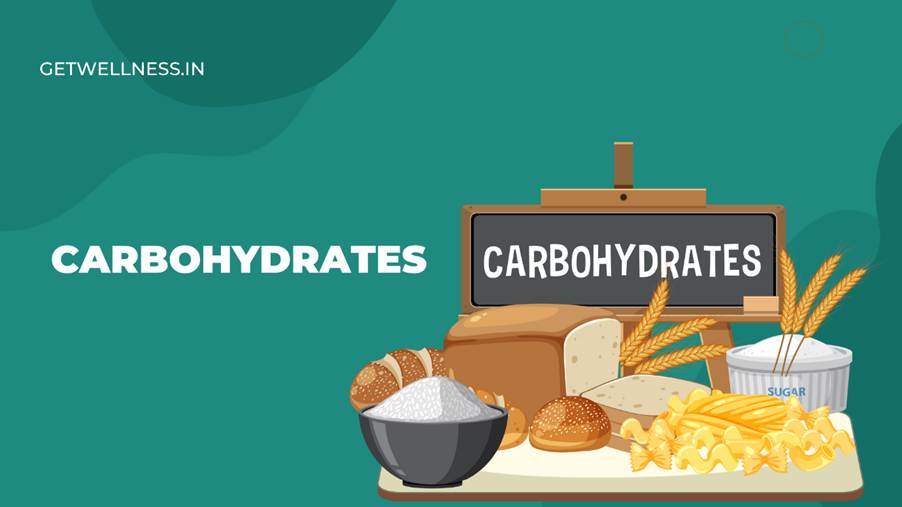
Excess intake of carbohydrates contributes to weight gain and also to adverse health reactions. Sugar, which is taken from beverages, is most abundantly available and readily available. They are unsuitable for a healthy diet because soft drinks and sugar-related beverages cannot give early satiety, so excess intake and fast absorption cause health problems. When you consider taking solid items, it helps reduce early satiety and lessens sugar levels to maintain a glycemic index. Fruits, vegetables, whole grains, cereals, and legumes help us to have less sugar intake and be healthy. Read more about Micronutrients
Balancing
Balancing macronutrients is healthy for the body. The examples of micronutrients are discussed. Macronutrients, such as fats, proteins, and carbohydrates, are essential to balance. When balanced, the macronutrients help reduce chronic disease and support bodily functions. Balancing macronutrients in our diet protects us from chronic diseases and helps reduce weight gain. For this lifestyle to be adopted, the perfect dietary intake idea is impacted; before changing the dietary plan, one needs to change the mindset and lifestyle accordingly
Suggested Amazon Products to Support Your Macronutrient Objective
Awareness of carbohydrates, fats and proteins is needed for the body. Amazon has good picks to isolate for convenient choices that help manage balanced nutrition. We are not adviced for your health and it may not cure your disease or disorder.
1. AS-IT-IS Whey Protein Isolate
Best for boosting daily protein intake
The protein is a necessary requirement for the body to nourish and support cell recovery. For people who cannot meet their protein needs solely through food, whey protein can be a practical option.
You know that proteins are required for daily cellular metabolism, repair, and recovery. Those who cannot meet their daily protein needs through food can use whey protein as an ideal choice. This is especially useful for those who regularly exercise.
Why it fits:
An easy choice to increase daily protein intake without much effort.
Buy on Amazon: AS-IT-IS Whey Protein Isolate for easy daily protein support.
2. Pintola All-Natural Peanut Butter
Best for protein + healthy fats
For a mix of good fats and healthy proteins, peanut butter is a good choice. It's a smart everyday food that mixes well with good portions.
Why it fits:
This is a practical product for people who need nourishment and easy
Buy on Amazon: Pintola Peanut Butter for a simple protein and healthy fat boost.
3. Manna Rolled Oats
Best for quality carbohydrates
A good source of carbohydrates is oats. They are filling, versatile, and easy to include in breakfast or snacks.
Why it fits:
A dependable carb choice for steady daily energy.
Buy on Amazon: Manna Rolled Oats for a smart and easy daily carbohydrate source.
4. True Elements Quinoa
Best for smart carbohydrate choices
Quinoa is one of the premium carbohydrate options; it is a good choice for lunch and dinner. It is a good choice for readers looking for variety beyond basic staples.
Why it fits:
A good way to make better-quality carb choices in a balanced eating plan.
Buy on Amazon: True Elements Quinoa for a more nutritious carbohydrate option.
5. Borges Extra Virgin Olive Oil
Best for healthy fats
Choosing healthy fats is important for hormone health, nutrient absorption, and overall wellness. Olive oil is one of the good ways to include healthier fats in daily meals.
Why it fits:
Simple, familiar, and easy to use in everyday cooking.
Buy on Amazon: Borges Extra Virgin Olive Oil for an easy,, healthy-fat upgrade.
6. True Elements Chia Seeds
Best for healthy fats with fibre support
Chia seeds are a convenient addition to smoothies, curd, oats, and breakfast bowls. They fit well in articles focused on balanced nutrition.
Why it fits:
A small but useful way to add healthy fats and nutritional value.
Buy on Amazon: True Elements Chia Seeds for an easy, healthy fat add-on.
References:
1. Andrew LaPelusa, Ravi Kaushik, Physiology, Proteins, In StatPearls [Internet]. Treasure Island (FL): StatPearls Publishing; 2024 Jan 2022 Nov 14, PMID: 32310450 Bookshelf ID: NBK555990.
2. Catherine J Field, Lindsay Robinson, Dietary Fats, Adv Nutr. 2019 Jul; 10(4): 722–724, Published online 2019 May 31. doi: 10.1093/advances/nmz052
3. R M van Dam, J C Seidell, Carbohydrate intake and obesity, Eur J Clin Nutr, 2007 Dec:61 Suppl 1:S75-99, doi: 10.1038/sj.ejcn.1602939.
4. Alicia L Carreiro, Jaapna Dhillon, The Macronutrients, Appetite, and Energy Intake, Annu Rev Nutr, 2016 Jul 17:36:73-103, doi: 10.1146/annurev-nutr-121415-112624.
5. Cynthia Cheng , Erin England, Nutrition: Macronutrients, FP Essent, 2024 Apr:539:7-12.