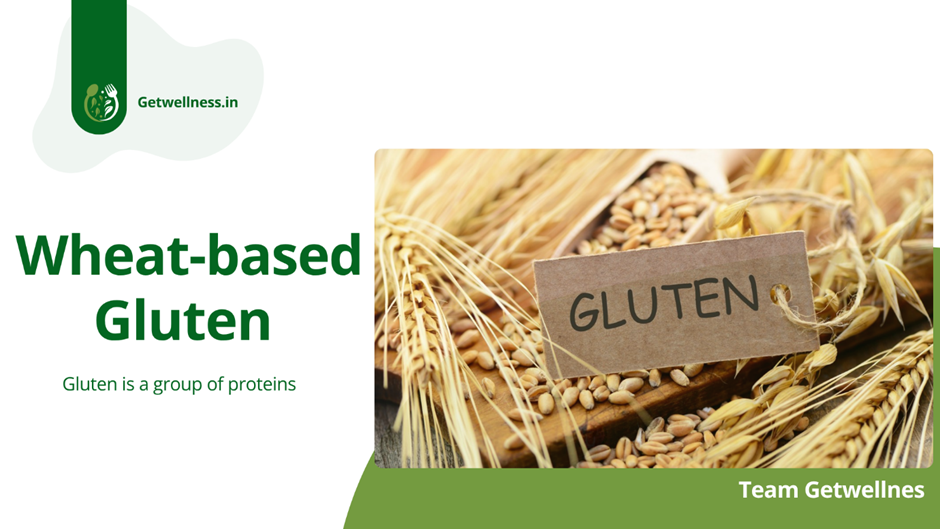
Figure 1 Image of wheat representing gluten, a protein found in grains like wheat, barley, and rye.
Introduction:
Gluten has become one of the most widely discussed food ingredients in the fields of nutrition and health. While it is an essential component of many staple foods, it has also been associated with some health problems, like celiac disease and gluten sensitivity. For this reason, the article explores the science, function, and dietary implications of gluten, enabling readers to make informed food choices.
What is Gluten?
Gluten
is a complex protein naturally found in grains, including wheat, barley, and
rye. It consists of two primary protein fractions—glutenin
and gliadin. When
flour is mixed with water, these proteins interact to form a sticky, elastic
network known as gluten. When we understand gluten, this network gives dough
its unique stretchability and allows it to trap gases, enabling bread and other
baked goods to rise and hold their structure.
Wheat
is a primary dietary staple across many countries, making gluten a widespread
component of the daily diet. Other grains, such as those containing gluten,
like barley and rye, are also commonly consumed in different forms.
- Desirable texture in pasta,
pizzas, and pastries
You
know, what we consume in the form of barley and rye is more commonly consumed
in various forms.
Do
you know why gluten is essential?
In
the food technology industry, it has great importance due to its widespread
use. It has excellent properties.
- Its elasticity and chewing
capability are good in baked items
- The structure of the dough is
good for fermentation
- It absorbs good water
retention
- In pasta, pizzas, and pastries
have good nutritional structures
In
essence, without gluten, many of our favourite baked items would not have their
familiar structure or texture.
Breaking
Down Gluten: Gliadin and Glutenin
Gluten
is not a single protein but a combination of two major proteins—gliadin and
glutenin—each offering specific characteristics essential to dough performance
and texture.
1.
Glutenin – The Strength Provider
Glutenin
gives dough its elastic nature. When mixed with water, glutenin helps form long
molecular chains that enable the dough to stretch without breaking. This
elasticity contributes to the strength and chewiness of bread.

Figure 2 Gluten
gives dough its stretch and strength, creating the perfect texture for breads
and baked goods.
There
are two types of glutenin based on molecular weight:
- High Molecular Weight (HMW)
Glutenin: Responsible for providing firm dough and better bread volume.
- Low Molecular Weight (LMW)
Glutenin: Contributes to the extensibility of dough but has less impact on
strength.
2.
Gliadin – The Flow and Viscosity Element
Another
main gluten component is gliadin. This helps to decrease viscosity and
extensibility. When we check its structure, it is rich in proline and
glutamine. This makes it more flexible, unlike gluten. This material has a more
flowable consistency and exhibits good elasticity.
Gliadins
have subtypes:
- Alpha-gliadin
- Beta-gliadin
- Omega-gliadin
These
subtypes influence how the dough responds to fermentation and impact baking
characteristics, including rise, softness, and shelf life.
The
Science Behind Gluten Behaviour
When
water is added to flour, gliadin and glutenin, which are proteins, absorb the
water and start to unfold. Kneading helps align and stretch these proteins,
forming a gluten matrix. This matrix traps carbon dioxide released during yeast
fermentation, which causes the dough to rise. Upon baking, the gluten structure
sets, giving baked goods their final texture.
In
terms of nutritional value, gluten provides essential amino acids (though not
all, so it is not a complete protein), small amounts of iron, and contributes
to the daily protein intake in grain-consuming populations.
1.
Celiac Disease – An Autoimmune Disorder
Celiac
disease is a chronic condition: The gluten can stimulate the body's immune
response. This effect leads to damage to the lining of the small intestine of
the gut. This leads to nutrient malabsorption and symptoms like:

Figure 3 Celiac
disease is a chronic autoimmune disorder where gluten triggers intestinal
damage, leading to poor nutrient absorption.
- Diarrhea
- Abdominal pain
- Bloati g
- Fatigue
- Weight loss
If
not treated on time, it causes serious consequences and complications,
including osteoporosis, infertility, neurological issues, and an increased risk
of intestinal cancers.
Currently,
there is no treatment available. It's the effect, and the result is lifelong;
they should avoid gluten in their diet. The diet helps to find the way to fast
healing automatically, which helps to reduce the damage
🧠 Scientific Source: NCBI – Celiac Disease Overview
2.
Non-Celiac Gluten Sensitivity (NCGS)
Some
individuals experience gluten-related symptoms without testing positive for
celiac disease or wheat allergy. It's called non-celiac gluten sensitivity. The
possible symptoms are as follows, please
- Brain fog
- Bloating
- Joint pain
- Fatigue
- Headaches
The
mechanisms behind NCGS are not well understood, and diagnosis is made by ruling
out other conditions. Similar to celiac disease, the only management strategy
is a gluten-free diet.
📖 Clinical Reference: PubMed Study on NCGS
Should
Everyone Go Gluten-Free?
There
is a growing trend, particularly in developed countries, toward a gluten-free
lifestyle.
- Lower in fibre food
- Higher in glucose or fat level
- More processed/semi-processed
- Less enriched with vitamins
and minerals
Therefore,
individuals without gluten intolerance should not indiscriminately eliminate
gluten, as this may lead to nutritional deficiencies.
Gluten-Free
Alternatives
For
those who must avoid gluten, several grains and starches are naturally
gluten-free:
- Rice
- Quinoa Millet
- Buckwheat
- Corn
- Amaranth
- Sorghum
- Tapioca
- Arrowroot
- Potato starch
A
wide range of gluten-free nutraceuticals and functional foods is also now
available to help meet nutritional requirements without triggering intolerance
symptoms.
Conclusion:
Is Gluten Good or Bad?
Understanding
Gluten helps to support health. Gluten is not inherently
harmful—it plays a significant role in food texture and structure, and is a
good source of plant protein. For the majority of the population, gluten is
safe and nutritious. Those who are individuals with a gluten sensitivity.
Strictly speaking, of course, they are essential.
Many
food items are available accessible in the market, and many are accessible due
to the increasing number of intolerance cases among people. If focused on
balanced food selection, including consideration of gluten and its sensitivity,
it helps promote good health and well-being.
Reference:
1. Jessica R Biesiekierski, What is
gluten?, J Gastroenterol Hepatol, 2017
Mar:32 Suppl 1:78-81, doi: 10.1111/jgh.13703, PMID: 28244676,
DOI: 10.1111/jgh.13703
2. Faqir Muhammad Anjum, Moazzam Rafiq Khan, Wheat gluten: high molecular
weight glutenin subunits--structure, genetics, and relation to dough
elasticity, J
Food Sci, 2007 Apr;72(3):R56-63, doi: 10.1111/j.1750-3841.2007.00292.x.
3. Sunao Shimada 1, Tetsuya Tanigawa, Involvement of gliadin, a
component of wheat gluten, in increased intestinal permeability leading to
non-steroidal anti-inflammatory drug-induced small-intestinal damage, PLoS One,
2019 Feb 20;14(2):e0211436, doi: 10.1371/journal.pone.0211436. eCollection
2019.
4. Xiuzhi Luo, Hui Yu,
Determination of extensibility and toughness of wheat-flour dough based on
bubbles blown by sheeted dough and airflow-3D imaging technique, Volume 113,
September 2023, 103754, https://doi.org/10.1016/j.jcs.2023.103754
5. Benjamin Niland 1,2, Brooks D Cash,
Health Benefits and Adverse Effects of a Gluten-Free Diet in Non–Celiac Disease
Patients, Gastroenterol Hepatol (N Y), PMCID:
PMC5866307 PMID: 29606920, 2018 Feb;14(2):82–91.
6.
Feliznando Isidro
Cárdenas-Torres 1, Francisco
Cabrera-Chávez, Non-Celiac Gluten Sensitivity: An Update,
Medicina (Kaunas), 2021 May 24;57(6):526, doi: 10.3390/medicina57060526.