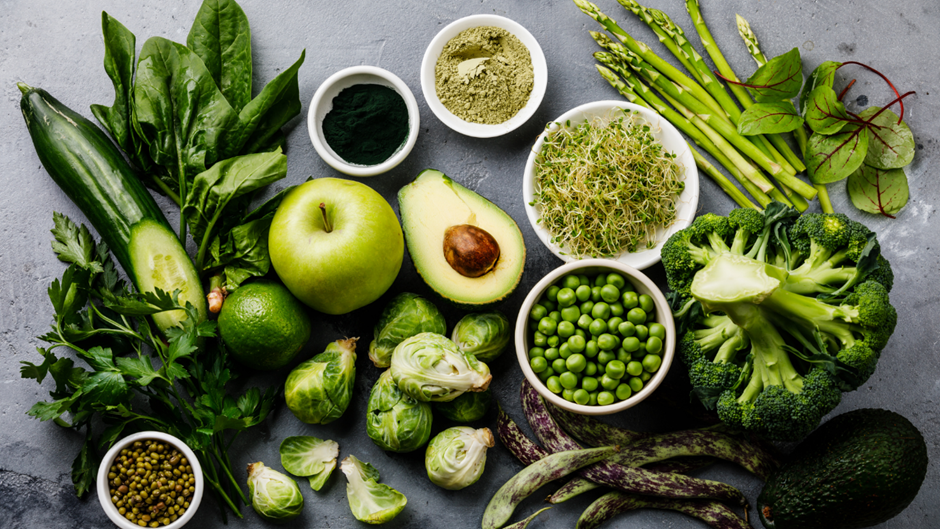
Figure 1 Whole Foods from Green Leafy Vegetables for Energy, Immunity & Vitality
Introduction:
Whole foods are natural foods:
The term 'whole foods' refers to foods and unprocessed foods. Increasing awareness of these kinds of foods can lead to a healthier life. Growing awareness of Whole Foods vs. Processed Foods. They are enriched with natural vitamins, minerals and antioxidants. Regular consumption can contribute to our overall health. In our daily life, we often have natural vegetables and fruits at our dining table. They have excellent sources of vitamins and minerals. Green leafy vegetables and fresh fruits are whole foods. Not only vegetables and fruits. Additionally, we regularly consume rice and wheat.
Along with vegetables and grains from natural sources, meat can also be considered a whole food, as can fresh and naturally grown seafood, as well as country chickens. These kinds of foods also come under the category of whole foods. This type of food helps us by correcting a variety of nutritional deficiencies.
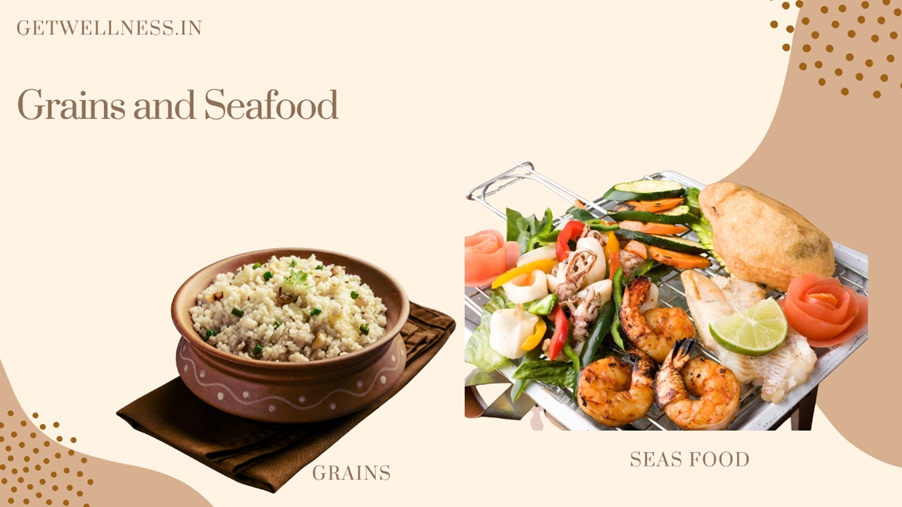
Figure 2 Wholesome Nutrition on a Plate: A Balanced Blend of Vegetables, Grains, and Meats
Example: Green leafy vegetables, fresh organic fruits, whole grains and meat
Processed foods are not natural:
Any natural food that changes its physical and chemical properties for a specific purpose is considered processed food. Numerous health effects are associated with the use of whole foods versus processed foods. When it alters the natural properties for taste enhancement and colour Improvement and makes it soft by adding other ingredients, that is called processed food. Why do we need processed foods? To increase the long shelf life of the food item, it is stored in the refrigerator for later use, and cooking alters its original properties.
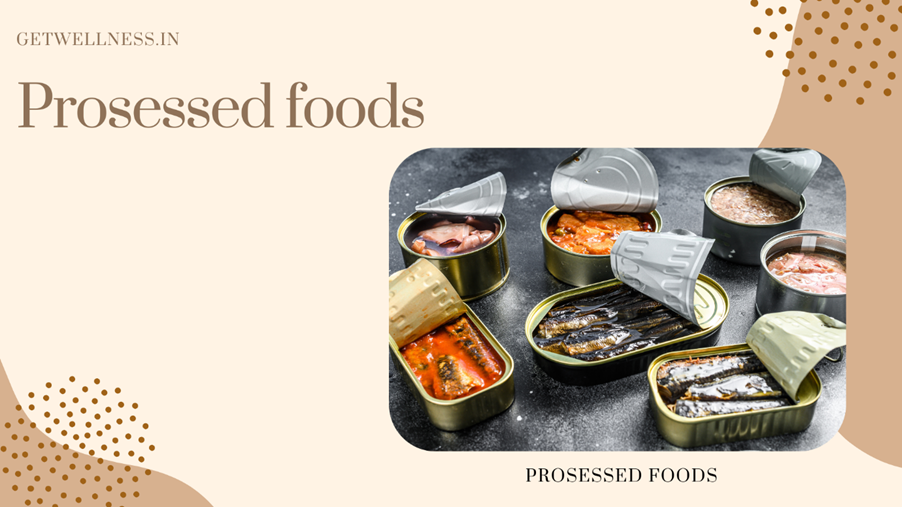
Figure 3 Processed Foods vs Whole Foods: Convenience vs Nutrition – Choose Wisely
Sometimes added with sugar or salt for extended storage, which is particularly beneficial for strong, processed foods, as it helps preserve the originality of food items. These kinds of alterations cause a loss of the originality of the food items and a reduction in their nutritional value. Also read more about added sugars
Higher amounts of processed food are not suitable for health. This is due to commercialisation and a lack of awareness about alternative natural food options. This consumption leads to obesity, diabetes and other chronic diseases or disorders. A fast life and a busy schedule make us more likely to adopt processed foods.
Key differences between Ultra-processed foods and minimally processed foods:
Ultra-processed foods
Ultra-processed foods are not healthy for us. Even minimally processed foods can be beneficial for a healthier life. Processed foods are highly commercialised and widely available in the market. These are easily accessible to everyone and available at a low cost. To protect originality and enhance taste, additives and artificial sweeteners are added. To preserve the taste, it is improved with salt and sugar. In this process, food items undergo industrial hydrogenation, as well as the addition of synthetic colourants, etc. We are well known for our readily available cool drinks, packed cookies, and biscuits. Some items contain more sugar, salt, and trans fats. This will impact the heart, diabetes, cancer and other related disorders. Additionally, overall health becomes more susceptible to oxidative stress and weakened immunity.
Minimal processed foods:
Completely processed foods differ from minimally processed foods. MPFs are generally safe and healthy. We cannot rely on completely unprocessed foods. For that reason, minimally processed food makes us more likely to eat it. By this concept, we can retain the nutritional benefits of the foods. If not, we can satisfy satiety by compromising the quality of the food. In this method, we clean the items using a steaming and pasteurisation process. Vegetables are cleaned with water and steam at lower temperatures. The fruits we eat are washed. According to this concept, we can withhold certain nutritional items, such as multivitamins, minerals, and other antioxidants, from our diet. They cannot be destroyed at lower temperatures and are suitable for our health. This provides good satiety and higher fibre in minimally processed foods. Sometimes additives are added, but they are minimal or unnecessary. These foods are sometimes not available as required; in some situations, they may not be convenient for consumption. It indirectly helps to protect against diabetes, cancer, and other chronic diseases. This helps promote a longer lifespan and supports a healthier lifestyle.
Identify processed foods:
There is a slight difference between processed foods, whole foods, and minimally processed Foods. Entire foods are entirely natural, but processed and minimally processed foods alter their originality for a purpose, such as taste enhancement, texture, or storage.
Some Identifications you can find on the label:
- Added Sugars
- Trans fats
- Fructose or lactose
- Added additives
- Artificial sweeteners
- Emulsifier
- Gelling agents
- Preservatives
NOVA is a system established to identify the difference between Whole, processed, ultra-processed and minimally processed food.
1. Provided by Nature, but with added cleaning, washing, and food containing potential ingredients such as sugar and salts. Industrial foods that are added with preservatives, artificial sweeteners
2. Natural fruits and vegetables, including Meat. Term storage of natural foods, Pasteurised milk, Bakery items, Cool drinks, Potential Street food, Artificial colourants
3. Good Minimum Average More
4. Enriched with nutrients. Retains good Nutrients. Loss of nutrients: Very low nutrients are linked to obesity, diabetes and other diseases
Whole foods and their effect:
There are fresh, leafy vegetables and fruits, as well as unprocessed whole foods. But how do you make changes in one's healthy habits? Life. Whole foods may be pro-vegetarian diets or omnivorous diets. These foods are excellent sources of natural nutrients. By using whole foods, potential health damage can be avoided. By transitioning from processed to whole foods, we can reap numerous health benefits.
In whole foods, both pro-vegetarian and Omnivorous foods are essential. One study revealed the effects of pro-vegetarian and omnivorous diets on health. Pro-vegetarian means a 70:30 ratio of plant-based and animal-based food. And Omnivorous means a 50:50 ratio of plant and animal-based foods. In this 4-week study, a greater reduction in diabetes and hypertension, as well as improved HDL levels, was observed in pro-vegetarians. Omnivorous is less developed compared with pro-vegetarian.
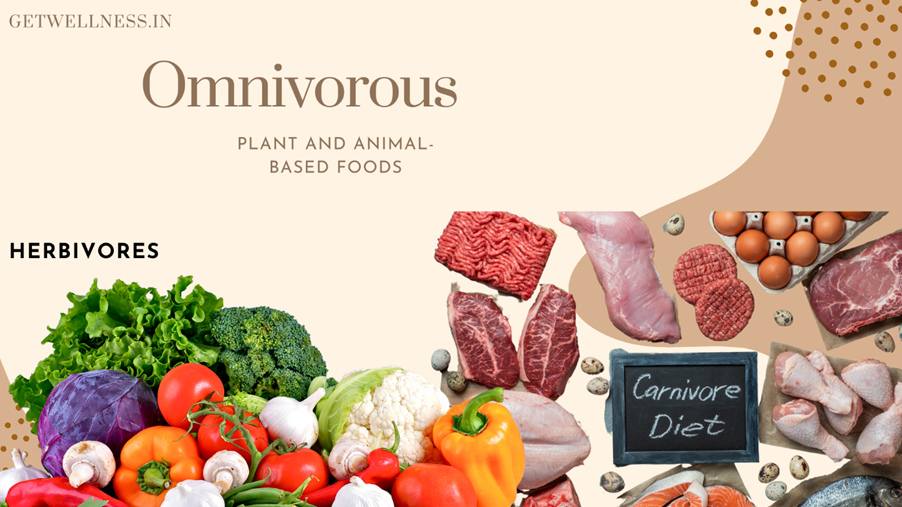
Figure 4 Whole Food Power: A Balanced Omnivorous Diet for Complete Nutrition
|
S.no |
Whole Foods |
Minimally Processed Foods |
Processed Foods |
Ultra-Processed Foods |
|
1 |
Provided by Nature |
Provided by Nature, but cleaning and washing |
Food added with potential ingredients such as sugar, salts, etc.. |
Industrial foods that are added with preservatives, artificial sweeteners |
|
2 |
Natural fruits and vegetables, including Meat |
Long-term storage of natural foods, Pasteurised milk |
Bakery items |
Cool drinks, Potential Street food, Artificial colourants |
|
3 |
Good |
Minimum |
Average |
More |
|
4 |
Enriched with nutrients |
Retains good Nutrients |
Loss of nutrients |
Very low nutrients are linked to obesity, diabetes and other diseases |
Whole foods and their effect:
There are fresh, leafy vegetables and fruits, as well as unprocessed whole foods. But how to make changes in the habit of a healthier life? Whole foods may be pro-vegetarian diets or omnivorous diets. This food is an excellent source of natural nutrients. Using whole foods can help avoid potential health damage. By transitioning from processed to whole foods, we can reap numerous health benefits.
In whole foods diets, both pro-vegetarian and Omnivorous foods are essential. One study revealed the effects of pro-vegetarian and omnivorous diets on health. Pro-vegetarian means a 70:30 ratio of plant and animal-based food. And Omnivorous means a 50:50 ratio of plant and animal-based foods. In this 4-week study, a greater reduction in diabetes and hypertension, as well as improved HDL levels, was observed in pro-vegetarians. Omnivorous is less developed compared with pro-vegetarian.
The Fat in Your Kitchen Tells the Whole Story
Look at the back of any processed snack — the oil it's fried in is almost always something heavily refined. Switching this one ingredient at home can quietly change your entire diet. Cold-pressed oils retain their original nutrients because they aren't bleached, deodorised, or chemically treated like industrial oils are.
A reliable everyday option for Indian kitchens is Borges Extra Virgin Olive Oil (1L) It works for salads, light sautéing, and finishing dishes — and you'll actually taste the difference within the first few uses.
References:
1. Monica K Esquivel, Nutrition Benefits and Considerations for Whole Foods Plant-Based Eating Patterns, Am J Lifestyle Med. 2022 Apr 22;16(3):284–290, PMCID: PMC9189583 PMID: 35706588, doi: 10.1177/15598276221075992.
2. Tânia Gonçalves Albuquerque, Adriana Pavesi Arisseto Bragotto, Processed Food: Nutrition, Safety, and Public Health, Int J Environ Res Public Health. 2022, Dec 7;19(24):16410. doi: 10.3390/ijerph192416410, PMCID: PMC9778909 PMID: 36554295
3. Zefeng Zhang , Sandra L Jackson, Relationship Between Ultra-Processed and Minimally Processed Food Intake and Cardiovascular Health Among US Women of Reproductive Age, J Womens Health (Larchmt), PMID: 38386796, PMCID: PMC11289851, 2024 May;33(5):613-623, doi: 10.1089/jwh.2023.0739. Epub 2024 Feb 21.
4. Carlos A Monteiro, Geoffrey Cannon, Ultra-processed foods: what they are and how to identify them, Public Health Nutr, 2019 Apr;22(5):936-941, doi: 10.1017/S1368980018003762. Epub 2019 Feb 12, PMID: 30744710, PMCID: PMC10260459, DOI: 10.1017/S1368980018003762
5. Rosilene V Ribeiro, Alistair M Senior, Rapid benefits in older age from transition to whole food diet regardless of protein source or fat to carbohydrate ratio: Arandomised control trial, PMID: 39011855, PMCID: PMC11561649, Aging Cell, 2024 Nov;23(11):e14276, doi: 10.1111/acel.14276. Epub 2024 Jul 16.
6. Sadie B Barr 1, Jonathan C Wright, Postprandial energy expenditure in whole-food and processed-food meals: implications for daily energy expenditure, PMC2897733 PMID: 20613890, Food Nutr Res. 2010 Jul 2;54:10.3402/fnr.v54i0.5144. doi: 10.3402/fnr.v54i0.5144.
7. Andrew J McDermott 1, Mark B Stephens, Cost of eating: whole foods versus convenience foods in a low-income model, PMID: 20373171, Fam Med 2010 Apr;42(4):280-4.
8. Filippa Juul, Georgeta Vaidean, Ultra-processed Foods and Cardiovascular Diseases: Potential Mechanisms of Action, PMID: 33942057, PMCID: PMC8483964,Adv Nutr, 2021 Oct 1;12(5):1673-1680, doi: 10.1093/advances/nmab049.